Jakob Reed · 2 September 2026
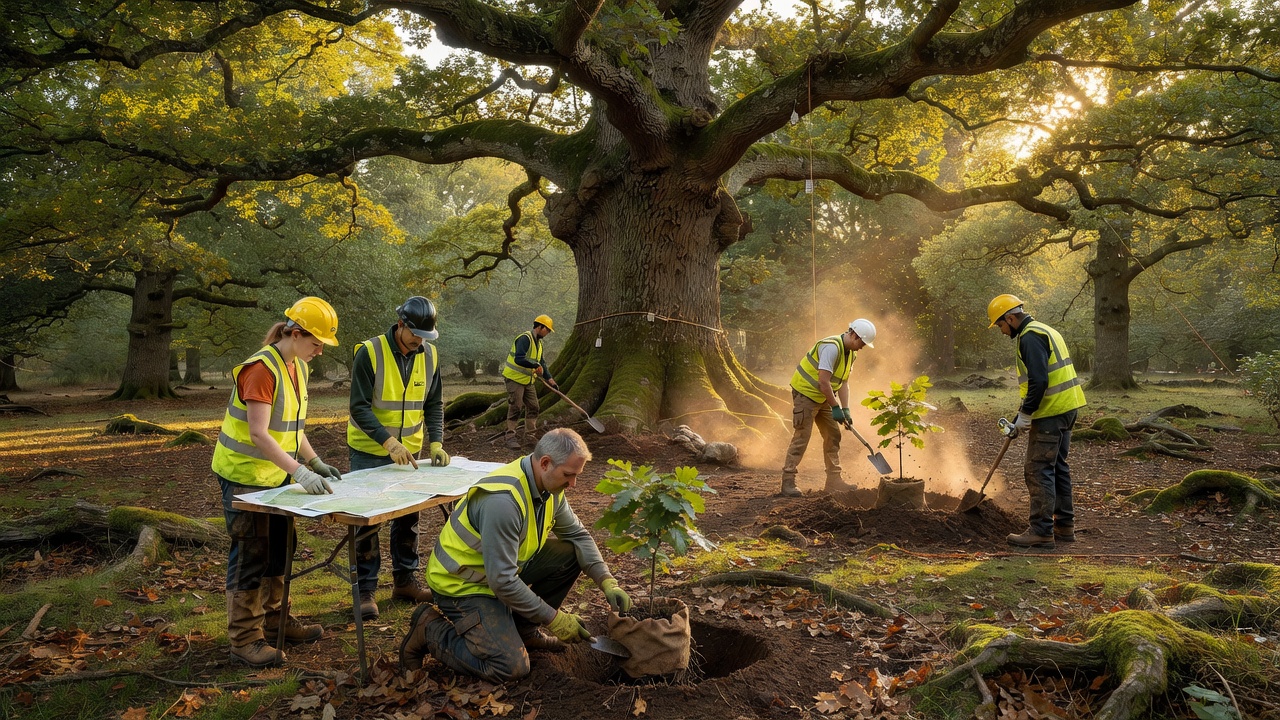
The Ancient Shire Oak Tree Restoration Project has advanced significantly in recent months, with key phases of the initiative now underway. Conservationists report positive developments in preserving this historic landmark located in the heart of the region. Efforts include soil remediation and canopy support systems designed to extend the tree's lifespan. Community involvement has been crucial, with local volunteers contributing to monitoring activities.
Initial assessments indicate improved vitality in the tree's root system following targeted interventions last year. Experts continue to track environmental factors affecting growth.
Historical Significance of the Shire Oak
The Shire Oak has stood for centuries, serving as a symbol of heritage and natural resilience. Records indicate its presence since medieval times, where it may have been used as a meeting point for local assemblies. Its massive trunk and sprawling branches have witnessed numerous historical events, making it a focal point for heritage studies. Archaeological findings around the site have unearthed artifacts that provide insights into past communities. The tree's ecological role supports diverse wildlife, including rare insect species and bird populations that depend on its habitat. Over generations it has become integral to regional identity and folklore.
Current Restoration Efforts and Outlook
Recent advancements include the installation of specialized bracing to prevent branch failure and the application of treatments to combat fungal infections. Scientists are employing modern techniques such as DNA analysis to understand the tree's genetic health better. Partnerships with universities have facilitated research that informs best practices for ancient tree care. Future plans involve expanding public education programs to raise awareness about heritage conservation. Funding from grants has secured the next stages, ensuring sustained progress. Overall, the project demonstrates a commitment to safeguarding natural treasures for generations to come. Additional measures include regular health assessments and climate adaptation strategies to address environmental changes. Monitoring data collected quarterly will guide ongoing adjustments to the restoration protocol.